
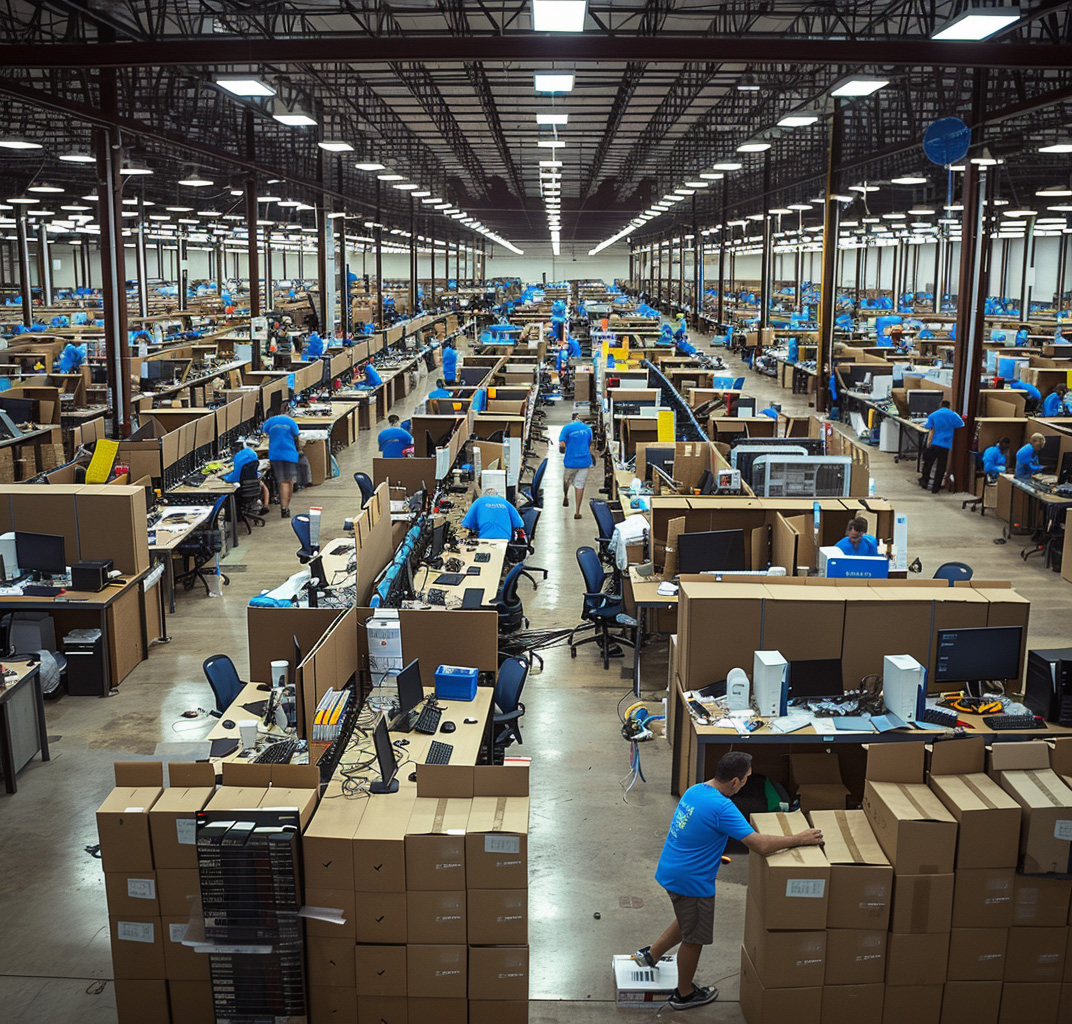
1. * * High production * *: Mass production usually means that products will be produced in thousands or even
millions of quantities.
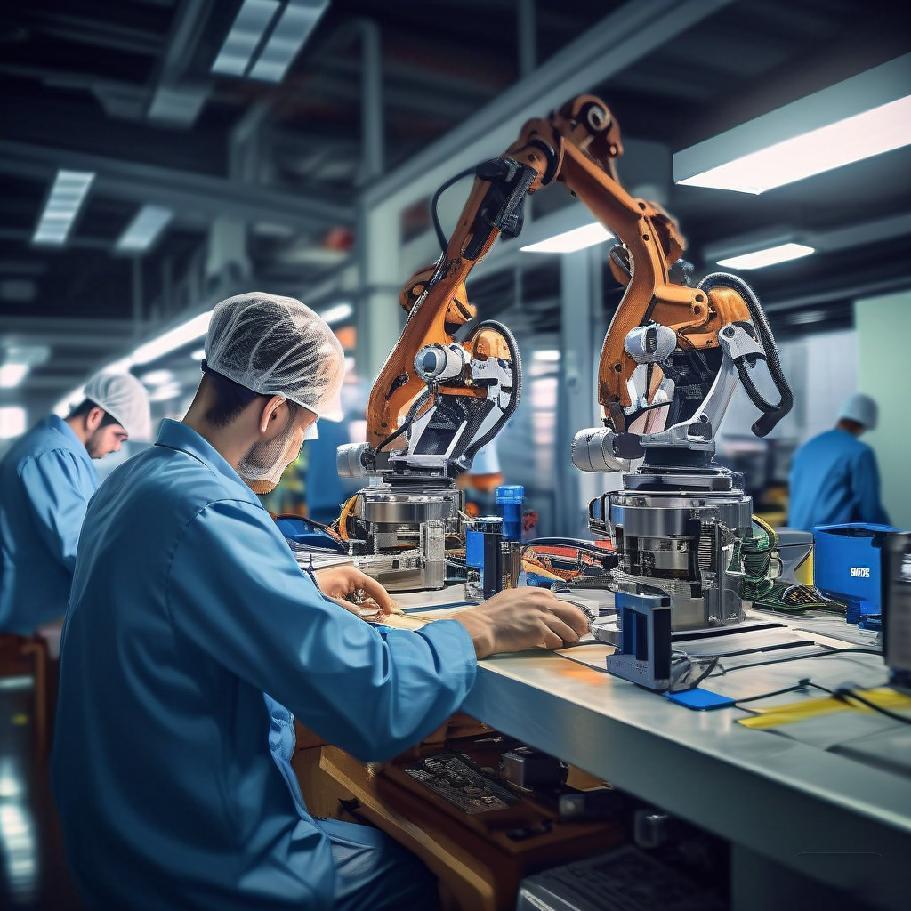
2. * * Cost efficiency * *: Due to the large production quantity, manufacturing costs can be shared, and the direct
cost per unit product is relatively low.
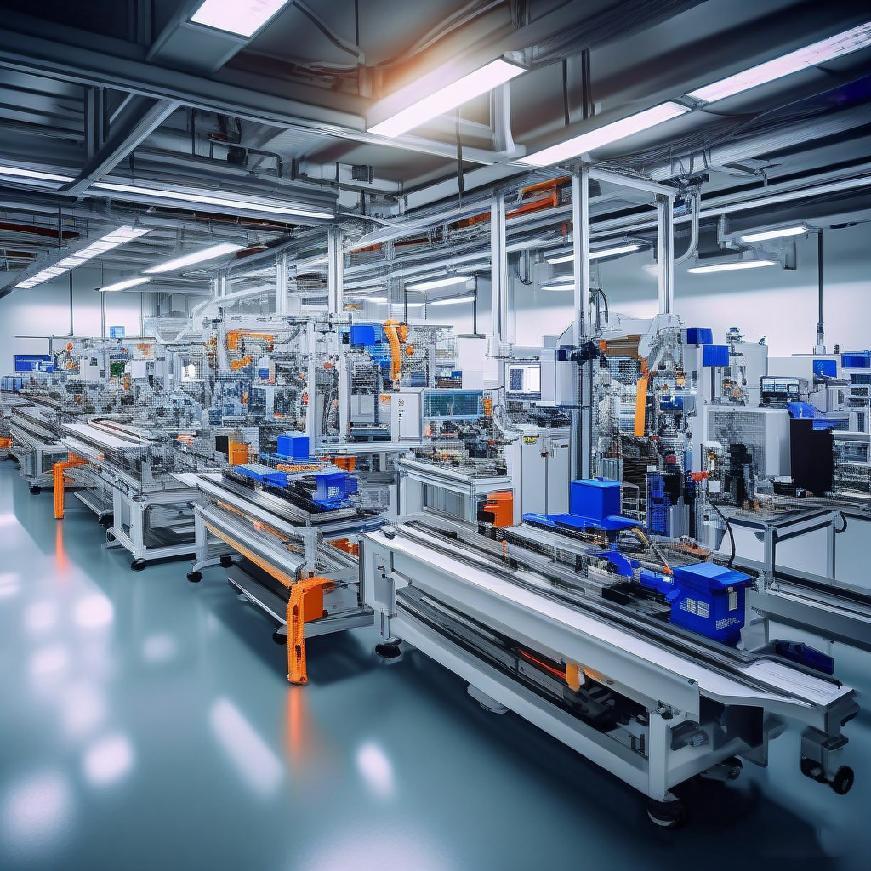
3. Standardization and Consistency: Emphasis is placed on standardization and normalization during the production
process to ensure that each product meets the same specifications, ensuring product consistency and reliability.
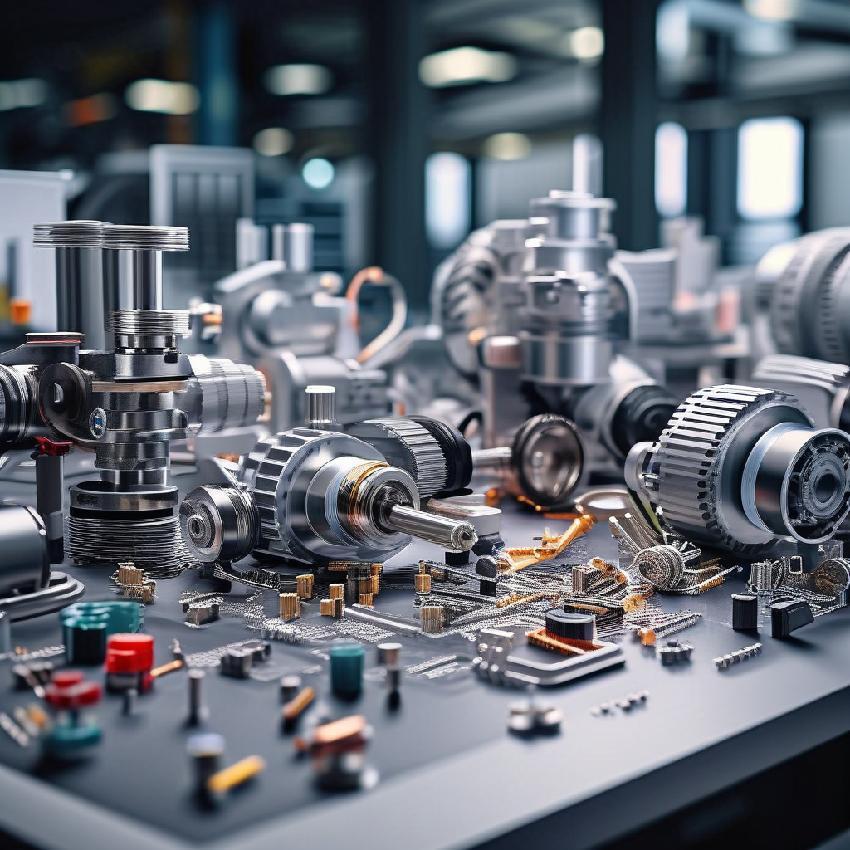
4. Automation and Specialization: Large scale production often heavily relies on automated machinery and equipment,
reducing labor demand, while workers often focus on specific processes to improve production efficiency.
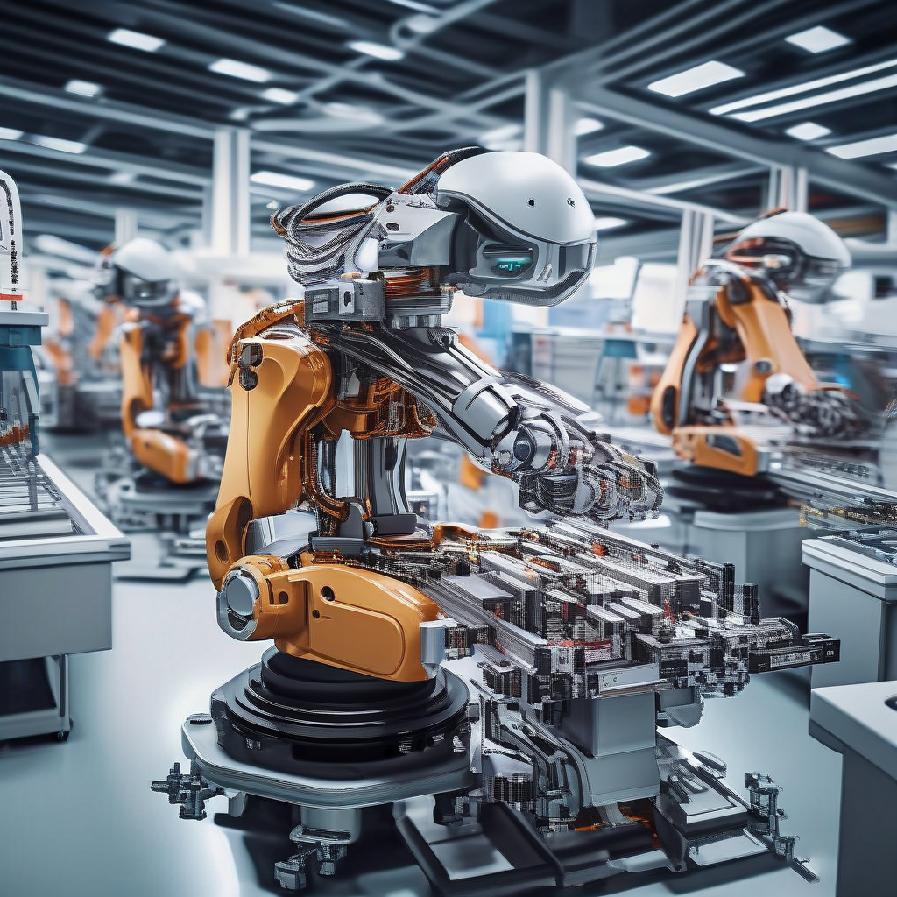
5. * * Fine division of labor * *: Each worker or machine on the production line is responsible for a small step in the
production process, continuously producing through assembly line operations.
6. * * Supply Chain Optimization * *: A carefully managed supply chain is required to ensure timely supply of raw
materials and effective distribution of finished products.

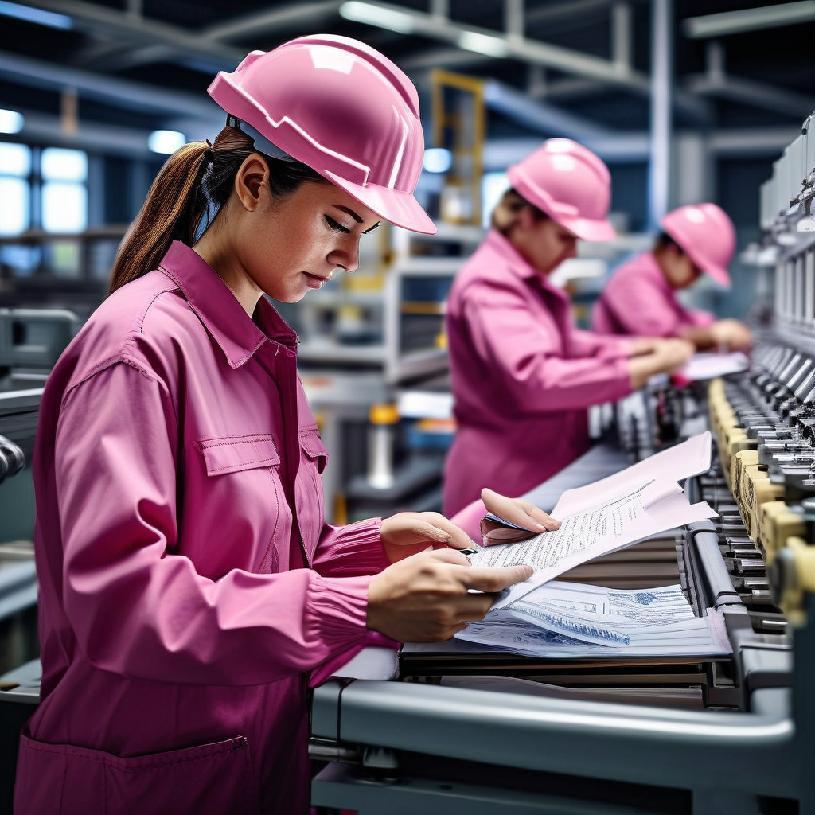
7. * * Quality Control * *: In order to maintain brand reputation and meet regulatory requirements, there are
usually strict quality control processes in large-scale production.
8. R&D and Design Investment: Products produced on a large scale usually invest a significant amount of R&D
resources during the design phase to ensure the feasibility and market competitiveness of product design.


 Language